Vaksinasi
 Pemeriksaan Kesihatan
 Penurunan Berat Badan (GLP1)
 Dapatkan Nasihat Doktor
Vagina Flora Imbalance Can Cause Recurrent Infections! Prevention Is Key With Dr. Wolff's Vagisan Lactic Acid*!
A healthy vagina is the foundation of comfort and well-being for every woman, but do we really understand its importance?

Many women think that cleaning their vagina with scented soap is sufficient to ensure hygiene and health of their intimate parts.
However, without realising it, this action can disrupt the natural balance of the vagina and cause overgrowth of the unwanted bacterial and can develop into vaginal infections, such as bacterial vaginosis (BV), one of the most common vaginal infections amongst women of reproductive ages.
Studies show that bacteria vaginosis can occur and recur in 50% to 80% of cases within one year after treatment.
Therefore, understanding the vaginal flora and how to maintain its balance is very important to prevent intimate health problems.
In this article, we will discuss in depth what vaginal flora is, symptoms of bacterial vaginosis and how to prevent fishy odour or itchy vagina or in the intimate area.
For more info on Women’s Health, please find it here.
What is a healthy vagina flora and why is it important?
Vaginal flora refers to the group of microorganisms that naturally inhabit the vaginal area.
These microorganisms, especially good bacteria like lactobacillus, play a crucial role in maintaining a healthy vagina environment.
The main functions of a healthy vagina flora include1:
- Helps produce lactic acid: Lactobacillus helps produce lactic acid as well as maintains vaginal pH at acidic levels (between 3.8 and 4.5), which inhibits the growth of pathogenic bacteria1
- Produces hydrogen peroxide: This compound has powerful antimicrobial properties, helping to fight unwanted bacteria and fungi2
- Produces bacteriocins: Antimicrobial peptides that inhibit the growth of harmful bacteria3
When the vaginal flora is in balance, the vagina is able to defend itself naturally against infection.
However, if this balance is disturbed, harmful bacteria can multiply and cause unhealthy vagina problems such as BV.
Factors that disturb the balance of the vaginal flora
- Antibiotic use: Antibiotics can kill good bacteria along with bad bacteria, causing an imbalance
- Harsh intimate cleaners: Products with strong chemicals can disrupt the natural pH of a healthy vagina
- Hormonal changes: Pregnancy, menopause or the use of hormonal contraceptives can affect the vaginal flora
- Sexual activity: A new or multiple sexual partner can increase the risk of vaginal flora imbalance
- Lifestyle and diet: Stress, a high-sugar diet or excessive hygiene can affect the balance of microorganisms
Understanding bacterial vaginosis: An often-overlooked vaginal infection

BV is a type of vaginal infection caused by an imbalance of the vaginal flora, in which bad bacteria multiply and overgrow, leading to lack of good bacteria such as Lactobacillus3.
Symptoms of BV and signs of unhealthy vagina are:6
- Fishy-smelling discharge: Usually more noticeable after sexual intercourse or menstruation
- Gray or white discharge: A more liquidly than usual texture
- Itchy vagina or burning sensation: Especially when urinating
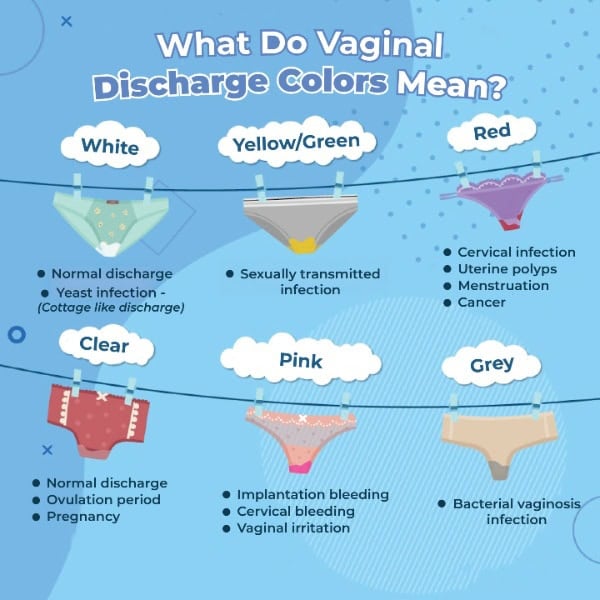
The standard treatment or medication for BV is to take antibiotics.
However, studies show that BV has a high recurrence rate, ranging from 50% to 80% within one year after treatment7.
This is because taking antibiotics is not a long-term treatment.
According to a study published in the American Journal of Obstetrics and Gynecology in 2004, antibiotics can cause bacterial resistance, making infections more difficult to treat when they reoccur8.
This emphasises the importance of maintaining the balance of the vaginal flora to prevent recurrent infections and to ensure that the vaginal flora can self-regulate.
How to ensure the balance of the vagina flora?

Maintaining the balance of the vaginal flora is key in helping to prevent against vaginal infections such as bacterial vaginosis.
Here are some practices that can help you maintain a healthy vagina:5 6 9
1. Avoid unhealthy vagina problems by practicing healthy and safe sex
Limit the number of sexual partners to reduce the risk of vaginal flora imbalance. Practice safe sex with use of condoms to prevent disturbance to vaginal flora pH levels.
Ensure that if sex tools are used, they are thoroughly cleaned before and after use.
2. Avoid douching!
Avoid douching the vagina internally as it can disrupt the pH balance thus killing the good bacteria and overgrowth of bad bacteria.
Avoid also the use vaginal sprays or scented products to wash your intimate areas as the chemicals in these products can irritate the vagina and disrupt the natural pH level of the vagina and natural vaginal flora.
3. Seek treatment if you experience symptoms of bacteria vaginosis
If you experience symptoms such as fishy-smelling odour, greyish vaginal discharge, itching or discomfort in the vagina, see a doctor immediately for an examination and appropriate treatment.
Untreated BV can lead to other health complications.
How to treat other BV problems?
Maintaining a healthy vagina is not only about practicing good hygiene, but also ensuring that the balance of the vaginal flora is maintained.
In addition to adopting a healthy lifestyle and avoiding factors that can interfere with vaginal pH, choosing the right care products also plays an important role.
To maintain a healthy vagina flora and prevent recurring infections, it’s important to keep the vaginal pH level between 3.8 and 4.4. Using a vaginal product containing lactic acid is advised to sustain this healthy pH level, which promotes the growth of beneficial lactobacilli.
Rapid acidification to maintain healthy vaginal flora
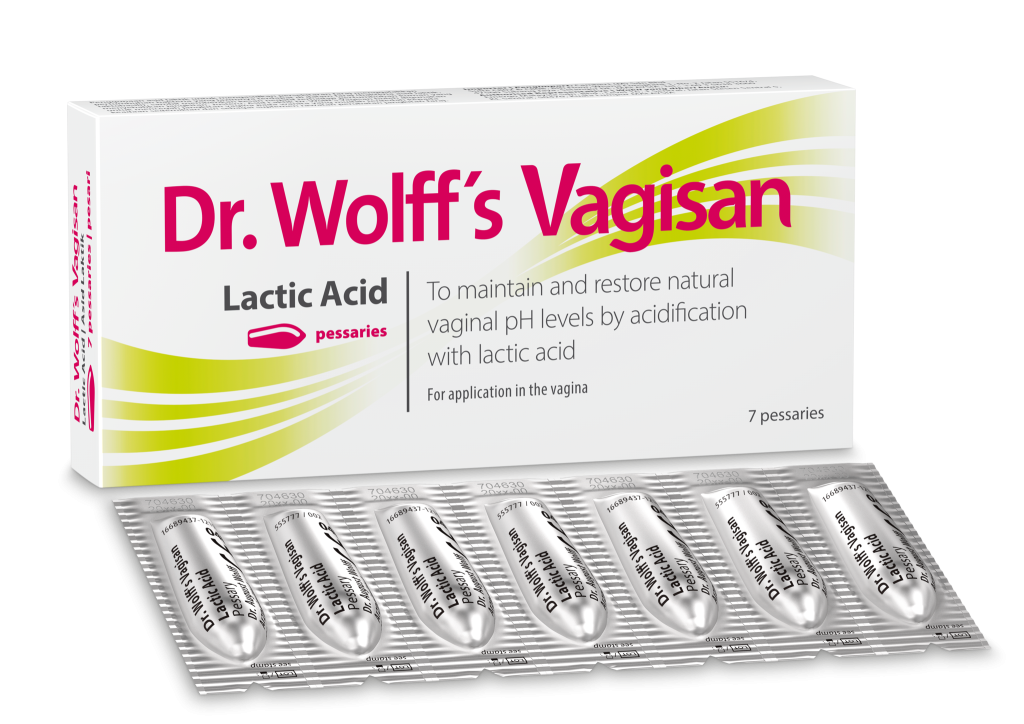
Dr. Wolff’s Vagisan Lactic Acid* is a vaginal pessary for intra-vaginal use. It supports the restoration of lactobacilli by quickly acidifying the vaginal flora, thereby reducing the chances of pathogenic bacteria and germs developing, while also maintaining a healthy vagina pH level.
This easy-to-use pessary contains 190mg of lactic acid and also sodium lactate, which assists in restoring and maintaining the vagina’s natural pH balance.
The lactic acid in the pessary helps to support the growth of healthy (“good”) lactobacilli, which essentially make up the vaginal flora and inhibits the growth of harmful bacteria and germs (pathogens). It is therefore used to maintain and restore natural pH levels in the vagina.
At the same time, Dr. Wolff’s Vagisan Lactic Acid* can be used as preventive treatment for women who are prone to vaginal infections.
For optimal use, insert one pessary (as shown above) deeply into the vagina before bedtime for greater assurance. To ease insertion, moisten the pessary under running water beforehand.
As these pessaries dissolve quickly, it’s advisable to wear a panty liner to manage any increased discharge.
Typically, the treatment lasts five to seven days, but for long-term maintenance, Dr. Wolff’s Vagisan Lactic Acid* can be used two to three times a week, using only one pessary in the evening.
Get Vagisan Lactic Acid here now for better intimate health care!
Conclusion
Taking care of intimate health is the responsibility of every woman.
So, don’t neglect your intimate health and take action today by choosing the right products to maintain the balance of your vaginal flora.
If you experience unhealthy and persistent vaginal symptoms, consult a doctor for appropriate treatment.
Disclaimer: “Please consult your healthcare professional for the interpretation of the result and diagnosis.”
*Medical Device Authority Malaysia approval number: MDAMD 0228/2023
Medical Device Registration Number: GB17407343117
Registered under Act 737.